Some fascinating facts about Bhutan to give you all the reasons why you should join Poets And Pilgrims on our next trip!
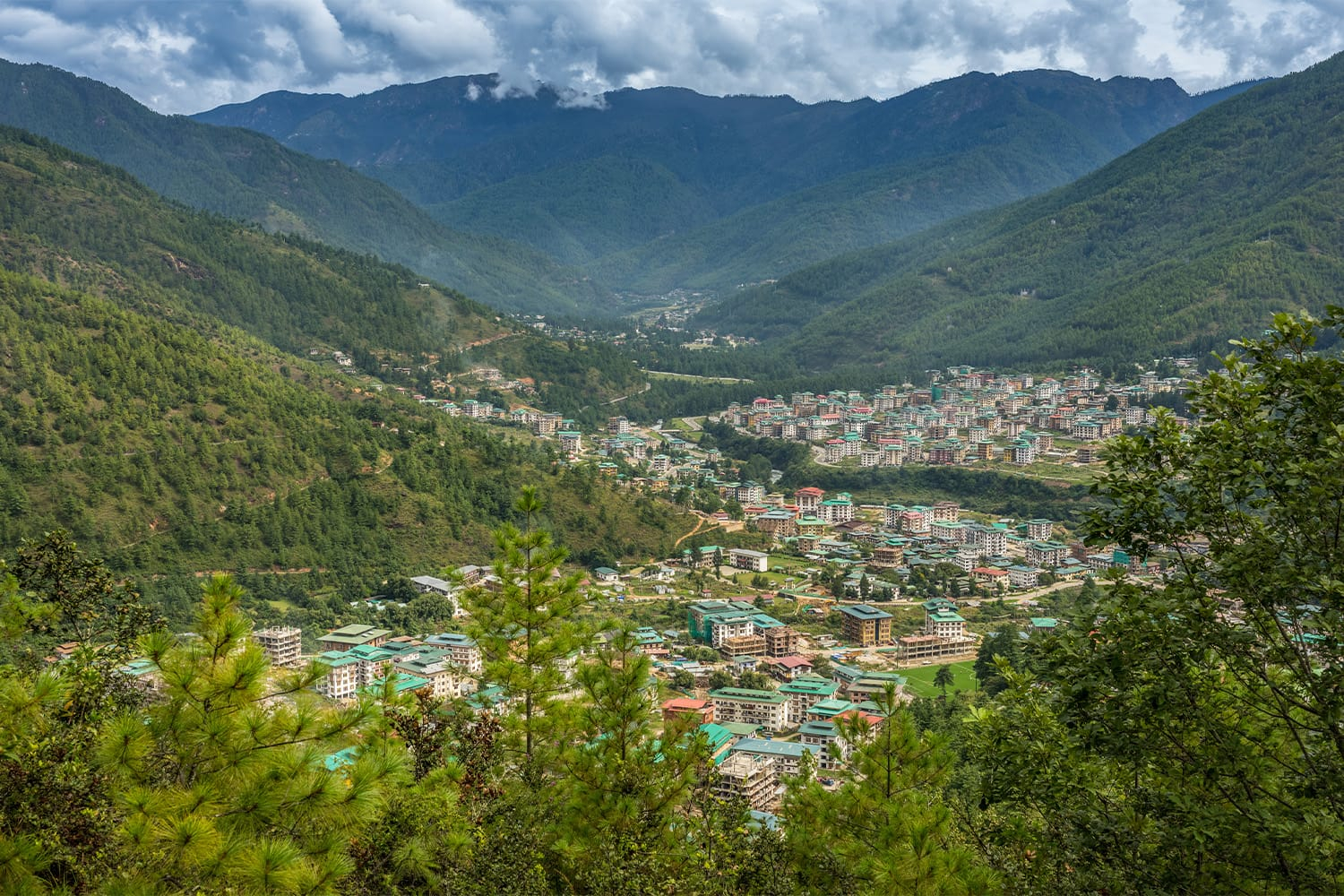
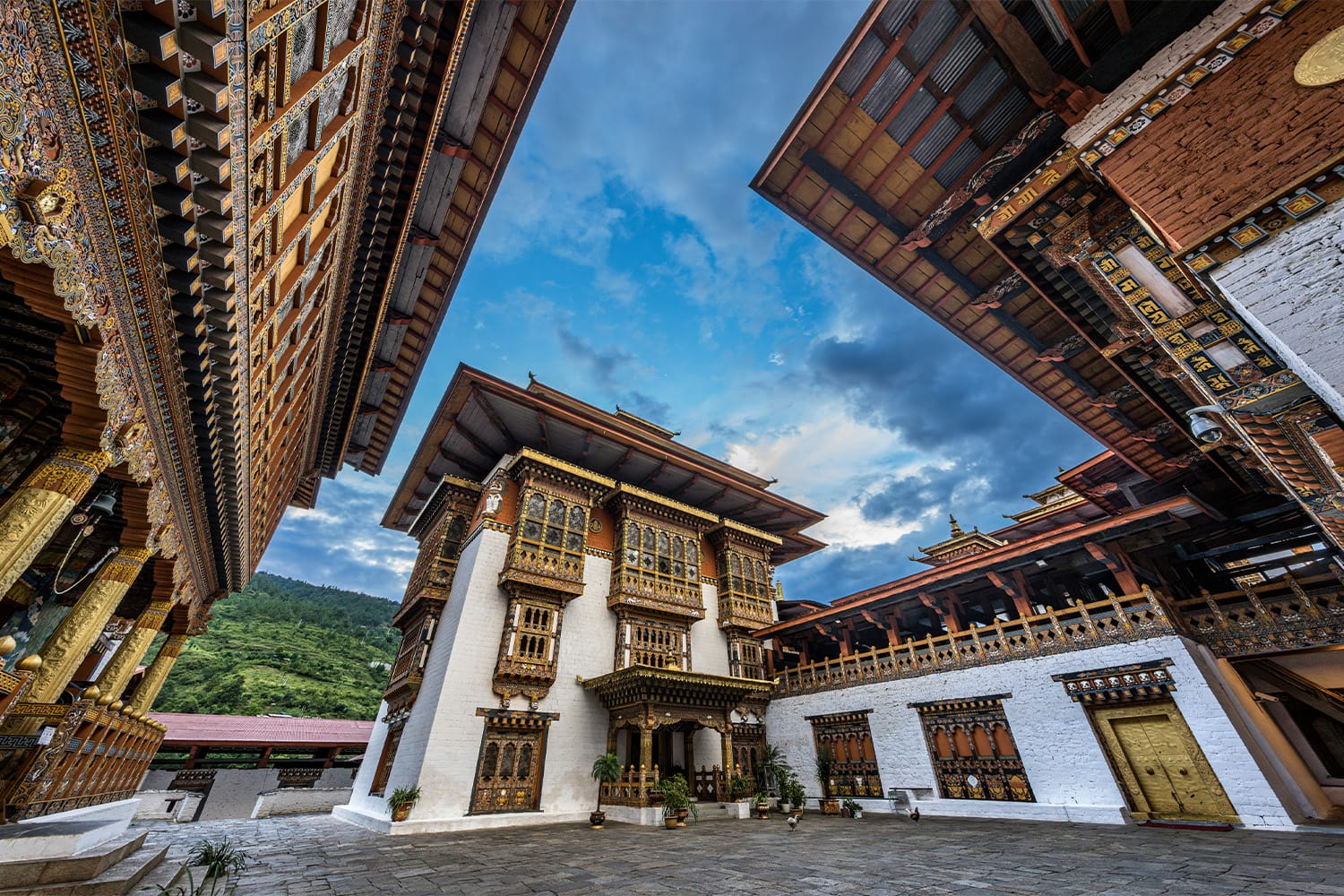
Tucked into the eastern Himalayas between India and China, Bhutan feels like a place where time moves differently. Modern conveniences arrived here slowly and culture is actively preserved. A country where protecting nature is a matter of pride and smoking in public can land you in trouble – Bhutan is a land full of surprises.
Bhutan is One of Only Three Carbon-Negative Countries
Bhutan, Panama, and Suriname are the world’s only carbon-negative countries, meaning they absorb more carbon dioxide than they generate. In fact, Bhutan was the first country in the world to become carbon-negative.
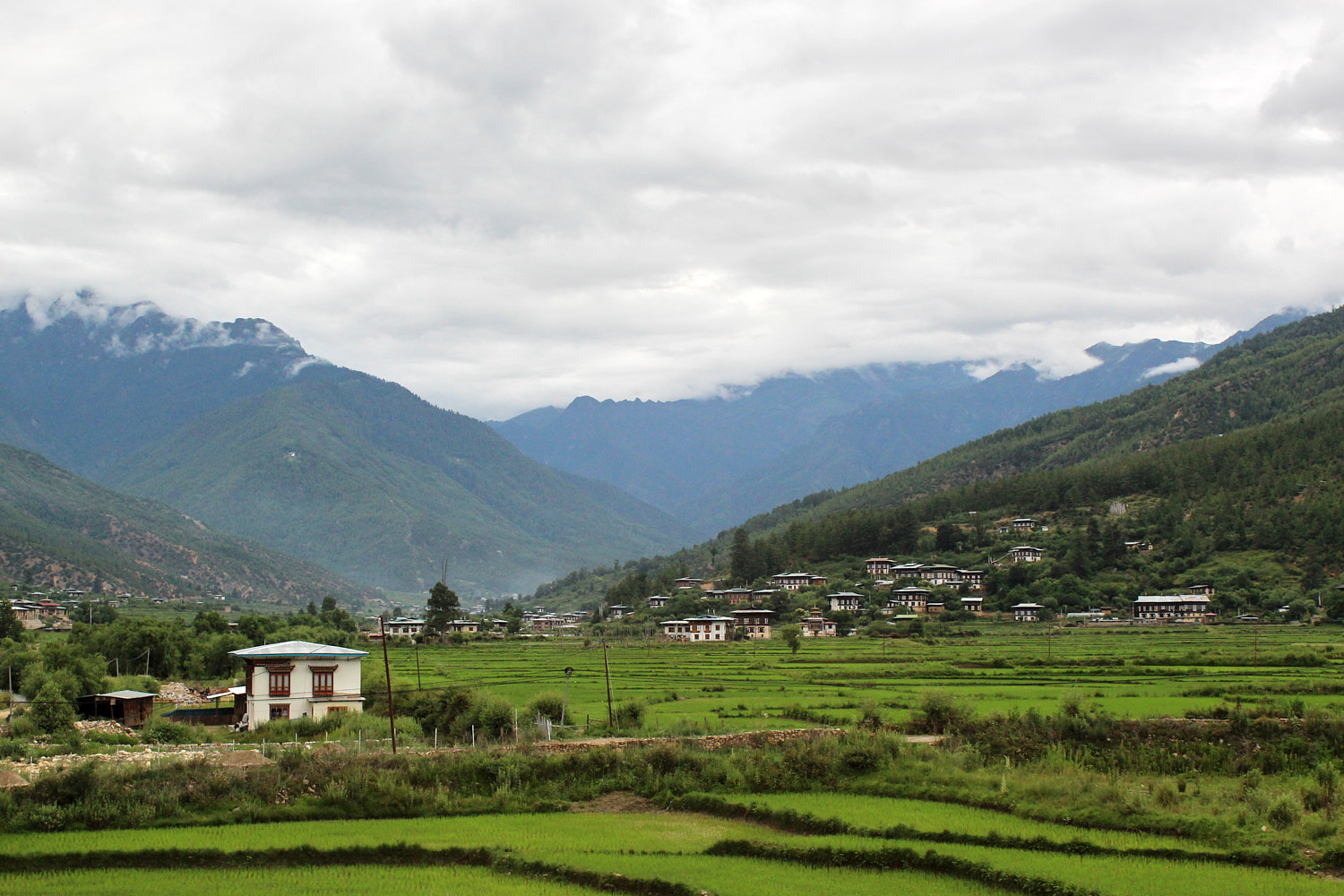
More than 70% of Bhutan’s land area is covered by dense forests. Government policies are in place to ban logging exports and Bhutan amended its constitution to ensure that at least 60% of the country will always be covered in forest.
Bhutan Was the Last Country to Introduce Television
In 1999, Bhutan became the last country in the world to legalise television broadcast. Since 1989, the government had banned TV to protect the country’s culture from foreign influence.
The same year, Bhutan also became one of the last countries to introduce internet.
Thimphu Is the World's Only Capital City Without Traffic Lights
You read that right – there are no traffic signals in Thimphu. Traffic in Thimphu is directed manually by the Royal Bhutan Police from small booths in the middle of the road.
When in 1995, traffic lights were installed, most drivers failed to follow them properly. So the authorities reverted to manual signalling. Traffic lights were up for just about 24 hours before being taken down!
On that note, Bhutanese drivers are the most patient I have come across. You don’t find people in a rush, you hardly hear them honking, and the traffic moves at a relaxed pace.
Bhutanese Currency Is Pegged 1:1 to the Indian Rupee
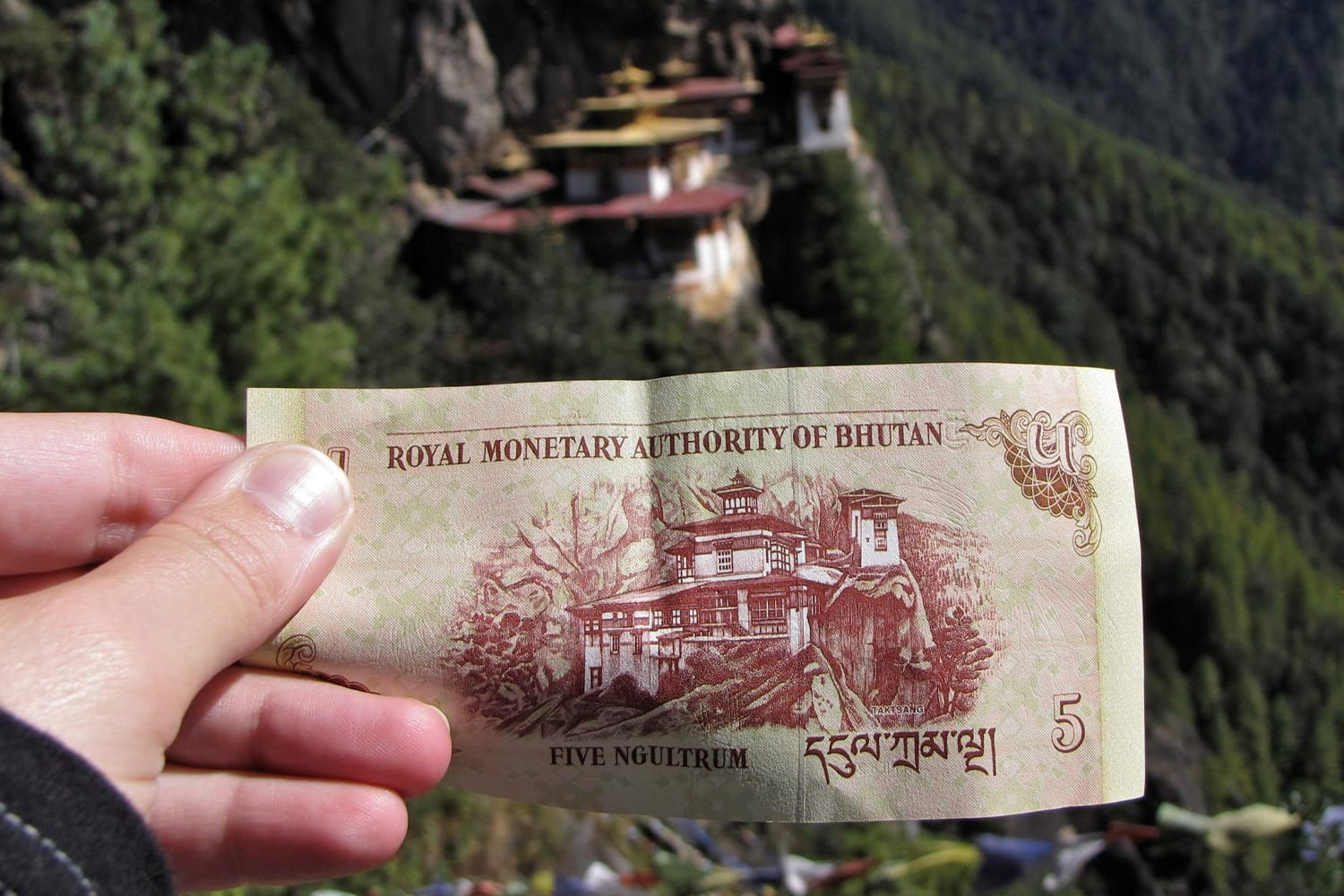
Ngultrum (BTN) – the Bhutanese currency – is pegged 1:1 to the Indian rupee (INR). This means your 100 Indian rupees will convert to 100 Bhutanese ngultrum. In fact, you can also use Indian rupee in Bhutan.
This offers convenience to Indian travellers who do not need to worry about exchanging their money. In most places, you will be able to use Rs. 100 and 200 notes.
The National Animal of Bhutan Resembles a Goat and a Cow
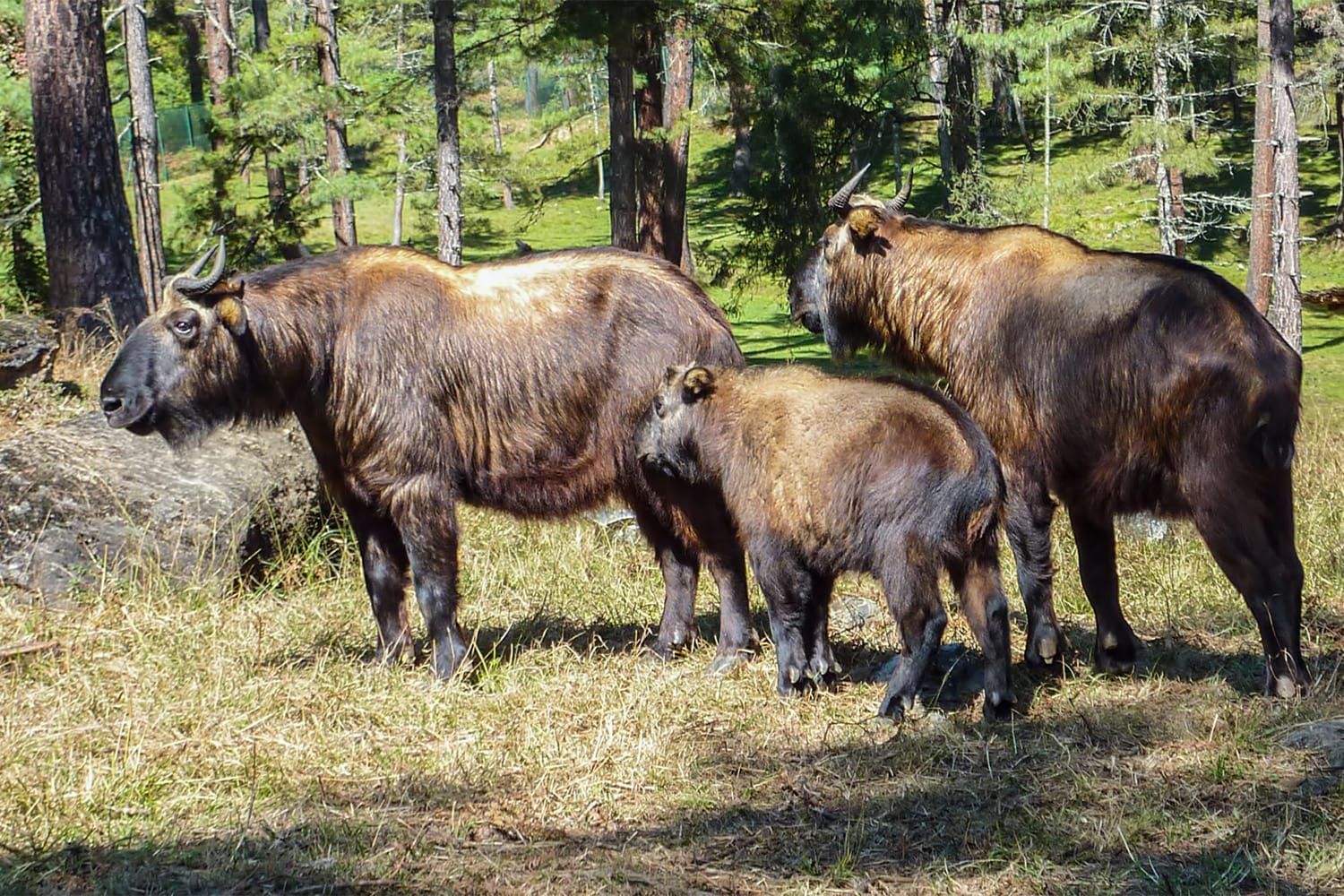
Takin – Bhutan’s national animal – is a rare animal that resembles a goat and a cow. This creature has ties to Bhutanese mythology, It is believed that in the 15th century, a Tibetan saint created the unique animal by fixing the head of a goat onto the body of a cow. The animal was then christened “Dong Gyem Tsey” – Takin.
The furry animal has a thick neck, arched nose and four short muscular legs. Weighing up to 400 kg, takin feeds on bamboo and lives at the altitude of 4000m.
Bhutan Remained Isolated from the World Until 1974
The Himalayan kingdom of Bhutan had closed its doors to the outside world until 1974. In 1974 tourism officially began in Bhutan when the government, in an effort to raise revenue and to promote Bhutanese culture and traditions, opened the country to visitors.
That year just 287 tourists visited Bhutan. In 1992, that number was 2,850. Now tourism is one of the largest sources of income for the country.
Bhutan Maintains Limited Diplomatic Ties With Other Countries
Sponsored by India, Bhutan became the UN’s 128th member state in 1971, establishing its first international diplomatic presence. The country maintains diplomatic relations with 58 nations.
Only three countries, namely India, Bangladesh, and Kuwait have embassies in Bhutan. On the other hand, Bhutan has embassies in India, Bangladesh, Belgium, Kuwait, Australia, and Thailand.
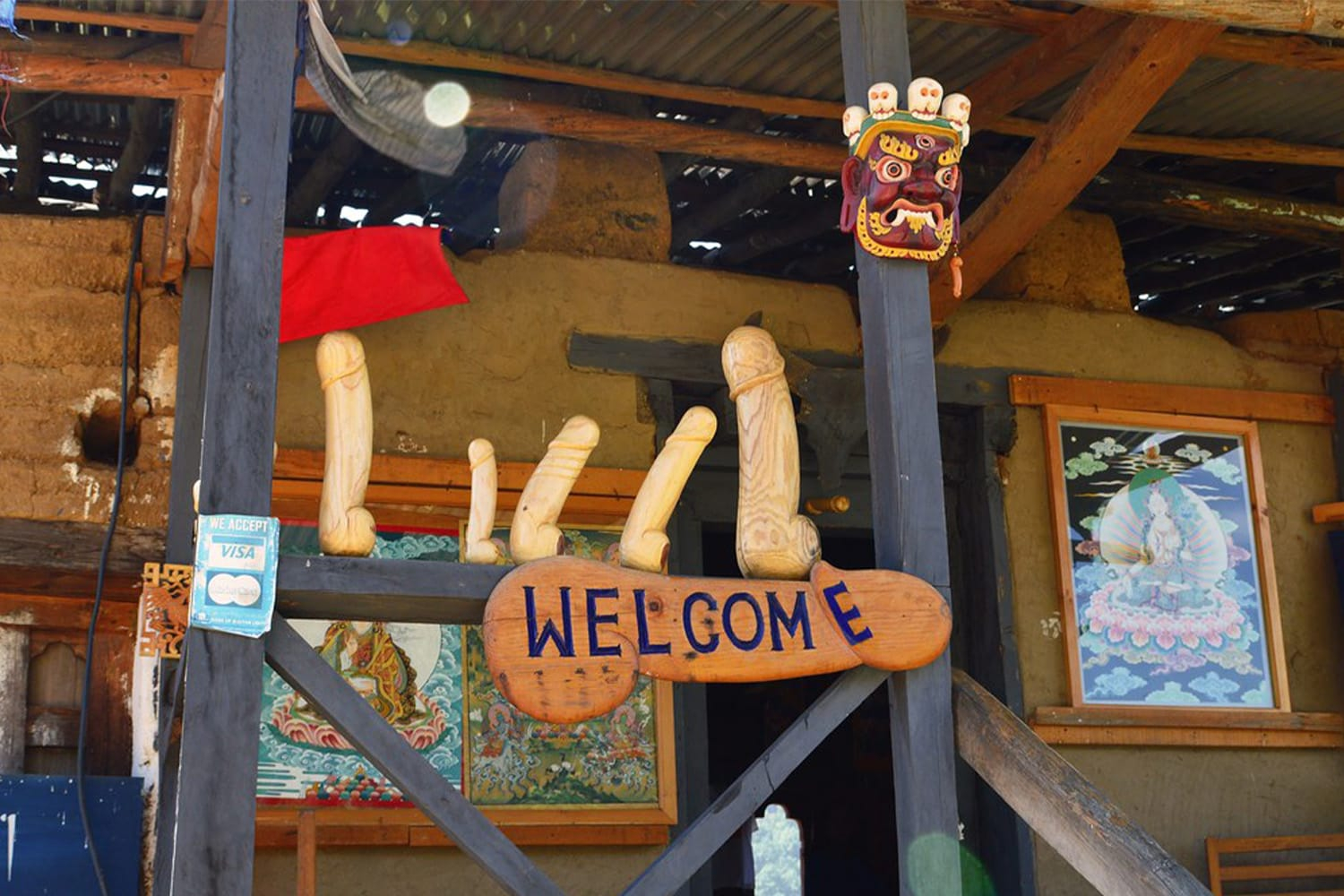
Phallus are Considered a Symbol of Fertility and Good Luck in Bhutan
Phallus are embraced in Bhutan like nowhere else. From murals painted on house walls to wooden carvings dangling from rooftops to cheeky keychains found in souvenir shops – phallus are something you will come across commonly in Bhutan.
But the phallus are not seen as an object of shame or mockery. Instead, it is a revered symbol tied to spirituality, good fortune, and protection. This practice dates back to the 15th-century monk Lama Drukpa Kunley often referred to as the “Divine Madman”. His use of humour and sexuality in his teachings helped spread the message of enlightenment that resonated with the common people.
Smoking Is Heavily Controlled in Bhutan
Bhutan has one of the world’s toughest anti-tobacco laws. Bhutanese monarchs and religious leaders were speaking against tobacco for over a century but it wasn’t until 2004 when Bhutan became the world’s first country to ban the sale of tobacco products.
In 2010, the Tobacco Control Act was introduced which outlawed smoking in public places, restricted imports, and banned advertising.
The sales ban was lifted in 2021 during the pandemic to curb black-market smuggling. Since then, licensed outlets are able to sell tobacco products. But public smoking remains prohibited. Some places like hotels offer a designated smoking area.