As I first read the news about the 26th August disaster in Nepal, I froze for a moment. Flooding is not uncommon in parts of Nepal. But this time it was different, as it became more clear in the coming days. This wasn’t a flood caused by heavy rains – something even more worrying was happening in the mountains.
We know the aftermath and I want to refrain from repeating the numbers and describe the scenes we all have watched for days. The devastation, not only the physical destruction and loss of lives, but also the psychological toll that followed, is going to leave a lasting impact.
I have visited parts of Syaphrubesi – a village severely affected by the disaster – during a trek to Gosaikunda. Dhunche, another affected village, was the starting point of the trek. The trek was in August 2021 during one of the monsoon months. I remember the swollen Trishuli river flowing through for parts of the trek. I could see her flowing right outside the balcony of one of the homestays I had stayed at.
In nearly a decade I have visited Nepal numerous times and have always felt at home. People always welcomed me, hosted me, fed me with love. When the world was reeling from the Covid-19 pandemic, I was in Nepal – safe and at home. It took me a while to overcome the shock after learning about the flooding and the devastation it had left behind.
Just around the beginning of August, Poets And Pilgrims Whispers of the Valley – Diwali Edition was announced. As the rescue efforts enter their third week, I was in two minds about continuing the trip. And after much deliberation, I decided the plan stays on. Behind the decision to continue, there are practical and not emotional factors.
First, the numbers. Tourism is Nepal’s largest source of foreign exchange revenue. In 2023, tourism accounted for 6.7% of the country’s GDP. Some 1.19 million jobs are directly or indirectly supported by tourism. The period of September to November is the most critical season for tourism in Nepal, accounting for some 40% of annual international tourist arrivals.
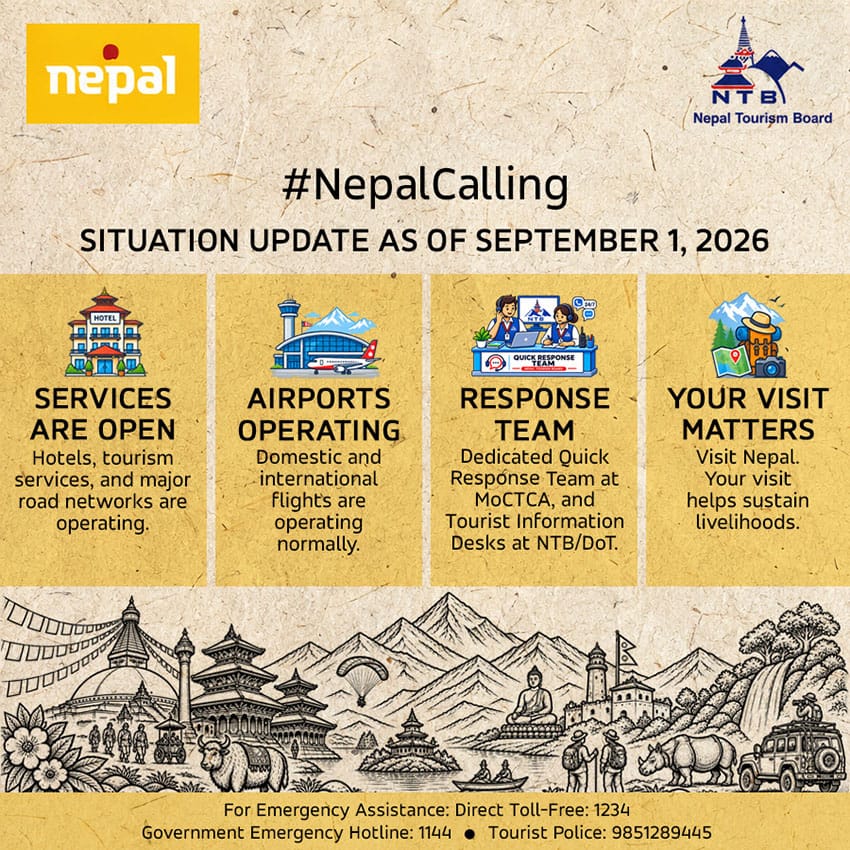
Practically looking, Nepal remains functioning beyond the severely affected areas. All the places that usually define a tourist experience including Kathmandu, Pokhara, Chitwan, Lumbini, Bardiya, Annapurna, and Everest regions are unaffected. International and domestic flights are operating as usual.
This is not to say everything is business as usual in Nepal – for many it isn’t. Rasuwa is among the most affected districts. Treks in the Langtang valley remain closed. Prices, especially of cooking gas, have gone up as supplies are affected. Yet, the distinction between the affected and unaffected parts of Nepal should not be ignored. And keeping that in mind, I was asking myself if, without turning a blind eye towards the devastation, a trip to Nepal should still be considered.
The Poets And Pilgrims trips planned for November – both the Diwali edition and the one after – are focused on the Kathmandu Valley. The plan includes Kathmandu, Bhaktapur, Nagarkot, and Changu Narayan to be precise. All these parts of the Valley are unaffected by the floods. The weather in November is dry as winter starts catching up. Nepal’s biggest festivals Dashain and Tihar are also due in October and November, respectively.
Although it’s not hard to assume people’s festive spirit is to be affected, festivals bring people together – in good times and in hard times. And that’s what we do at Poets And Pilgrims – bring people together. That being said, we are visiting Nepal in November and we are contributing to Nepal’s rebuilding in every way we can.
As I was writing this, I came to know that keeping the current situation and the upcoming tourist season in mind, Nepal has launched ‘Nepal Calling’ campaign. In a statement posted on Nepal Tourism Board’s website, the board urged tourists to not cancel their plans.
“To our friends, visitors, and the global tourism community, your visit means more than a journey. It is a gesture of solidarity. It supports people, sustains livelihoods, and gives support to communities as they recover and move forward.”
So yes, Nepal is open and welcoming visitors. And we are heading there again in November.
Note: If you’d like to help Nepal’s recovery efforts financially, you can contribute to the official Government of Nepal Prime Minister’s Disaster Relief Fund. Refrain from engaging with other unofficial charities and do your own research before you donate.