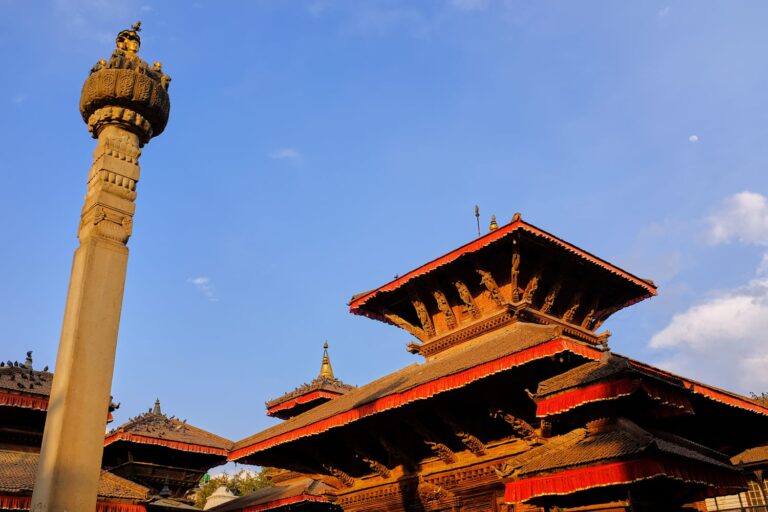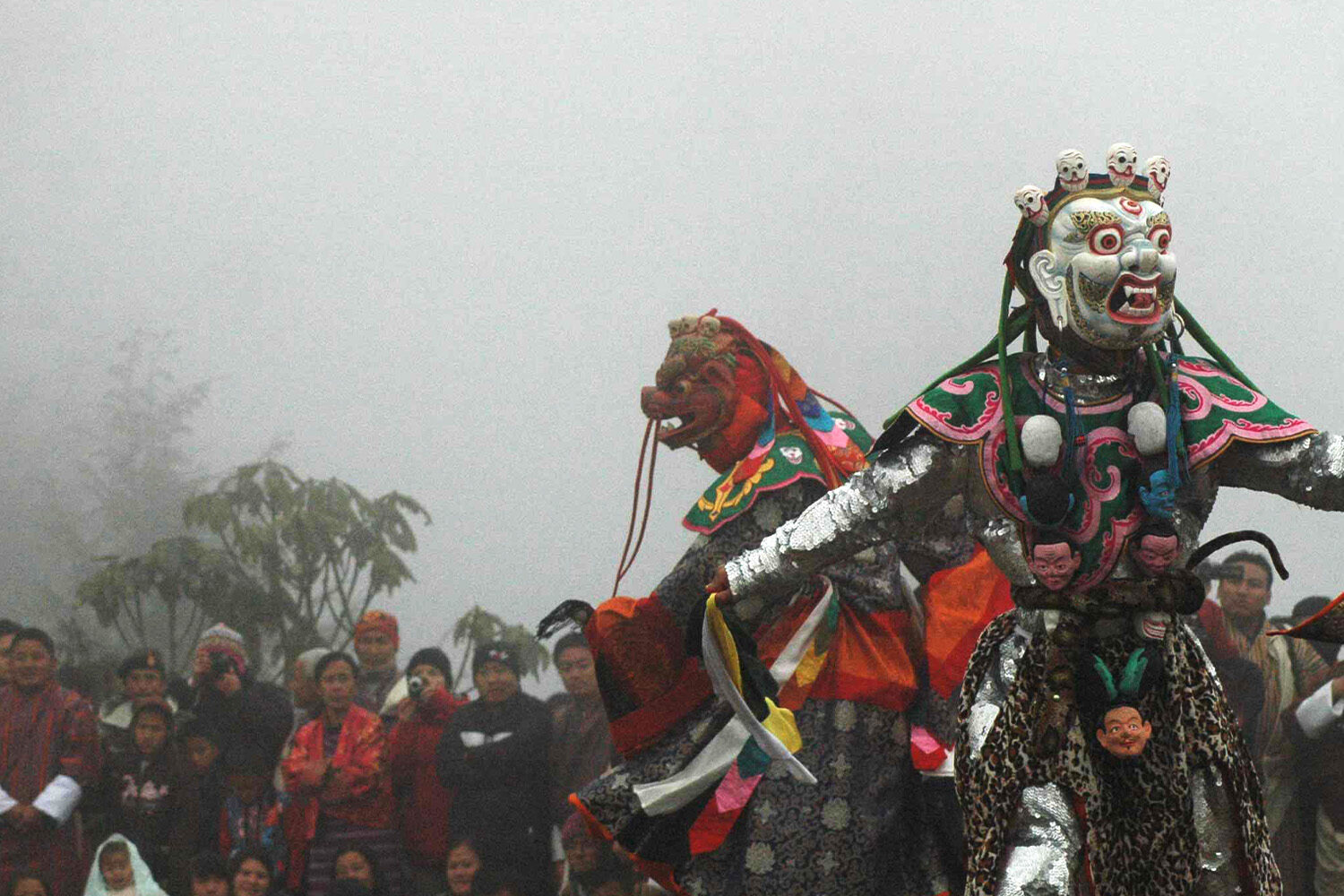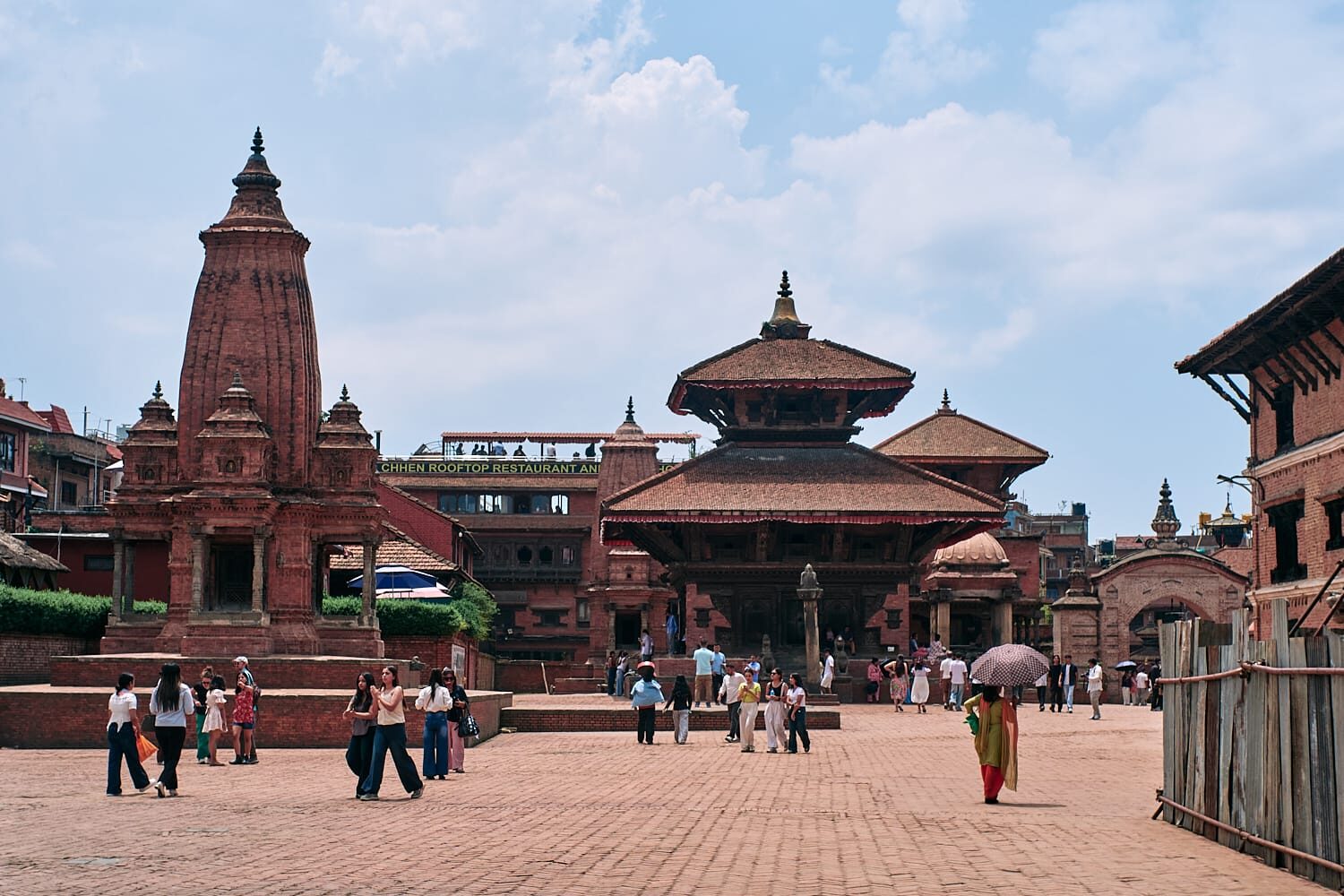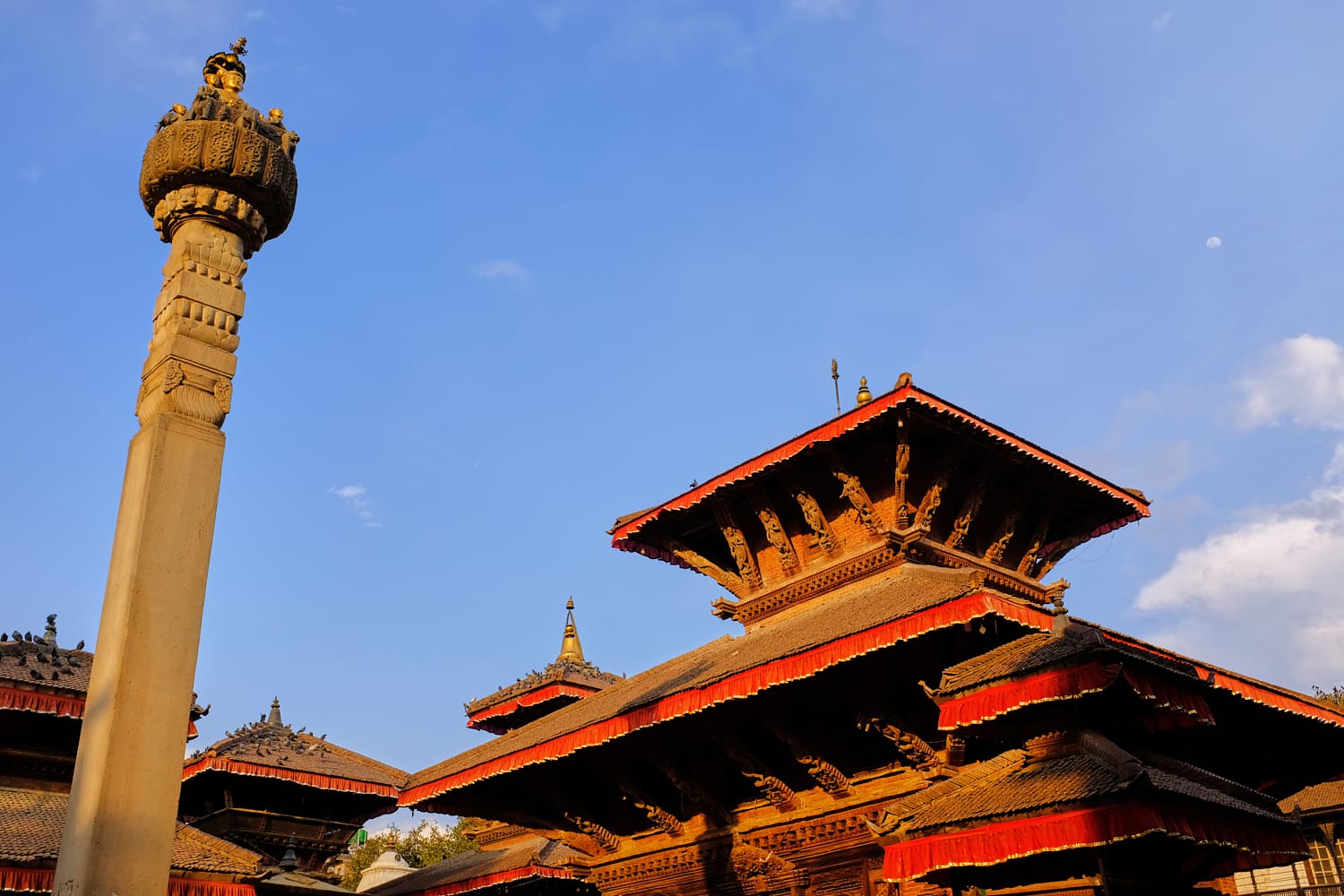
Set in the heart of Nepal’s bustling capital, Kathmandu Durbar Square is where Nepal’s royal past and its living traditions meet. It brings together centuries of royal history, sacred architecture and everyday city life. Once a seat of power for Nepalese kings, this UNESCO World Heritage site is a remarkable place to explore carved temples, palace, courtyards and vibrant traditions of the Kathmandu Valley.
Also known as Basantapur Durbar Square it is home to some 50 temples, giving it the name “the Museum of Temples.” A sanctuary of tradition and spirituality, Durbar Square is where gods, goddesses, and generations of monarchs once resided. This is where Kumari – the living goddess is still revered, sacred rituals are practiced daily, and festivals transform the streets into grand celebrations of culture.
Some Important Sites at Kathmandu Durbar Square
Kasthamandap
Kasthamandap, meaning “wood-pavilion,” is one of the oldest structure in the traditional Newar style. The first historical reference to Kasthamandap dates to year 1143. Built from a single sal tree, this ancient pavilion is free of nails or rivets and exemplifies the exceptional woodworking tradition of the Newars. This is where Kathmandu is believed to get its name from.
Taleju Bhawani Temple
Among dozens of temples in Kathmandu Durbar Square, the Taleju Bhawani temple stands out for its towering height and intricate carvings. Dedicated to the goddess Taleju, the temple is believed to be the first three-tired temple on the land. It was originally accessible to the royal family only and now remains a sacred site for devotees. It’s open to the public for one day each year during the Dashain festival.
Kumari Ghar (Home of the Living Goddess)
The three-story Newari-style residence with ornate wooden windows and balconies is the official residence of Kumari (the living goddess) of Kathmandu. The 17th century building is an example of highly developed Nepali craftsmanship.
Kumari is believed to be the earthly incarnation of goddess Taleju Bhawani. At designated hours, visitors can briefly witness her appearance from the central window of the building – an encounter that is deeply spiritual and culturally significant.
Kaal Bhairav
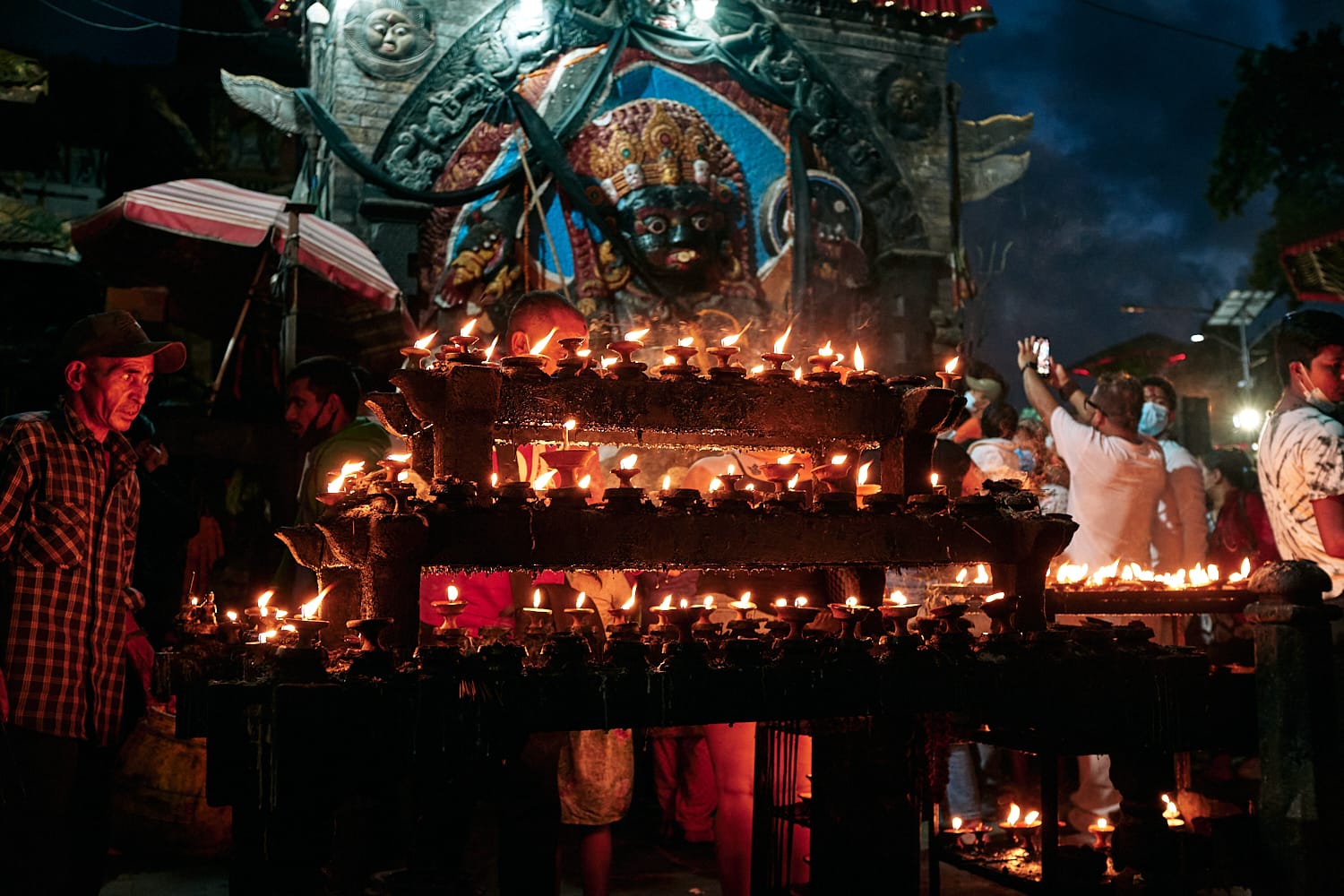
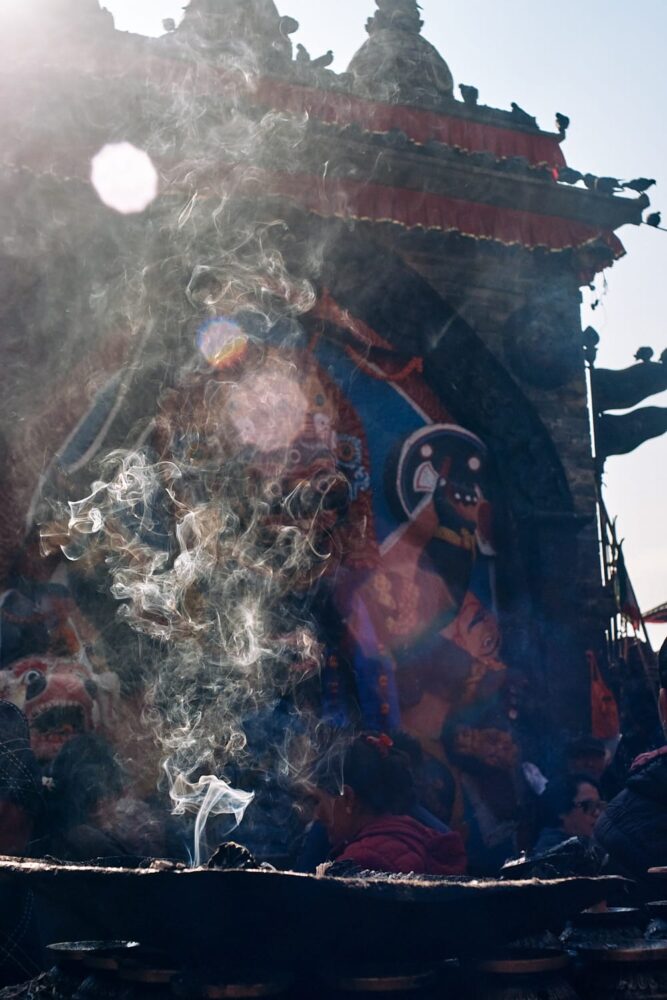
Kaal Bhairav is fearsome avatar of Shiva. The 17th century stone statue is said to have been discovered in a rice field and installed at Durbar Square by king Pratap Malla. The statue radiates mysticism and divine authority. Historically, it was used as a court of justice where people confessed in fear of divine retribution.
Devotees stop by at Kaal Bhairav statue to seek blessings and it’s one of the most active sites at the Durbar Square throughout the day.
Shwet Bhairav
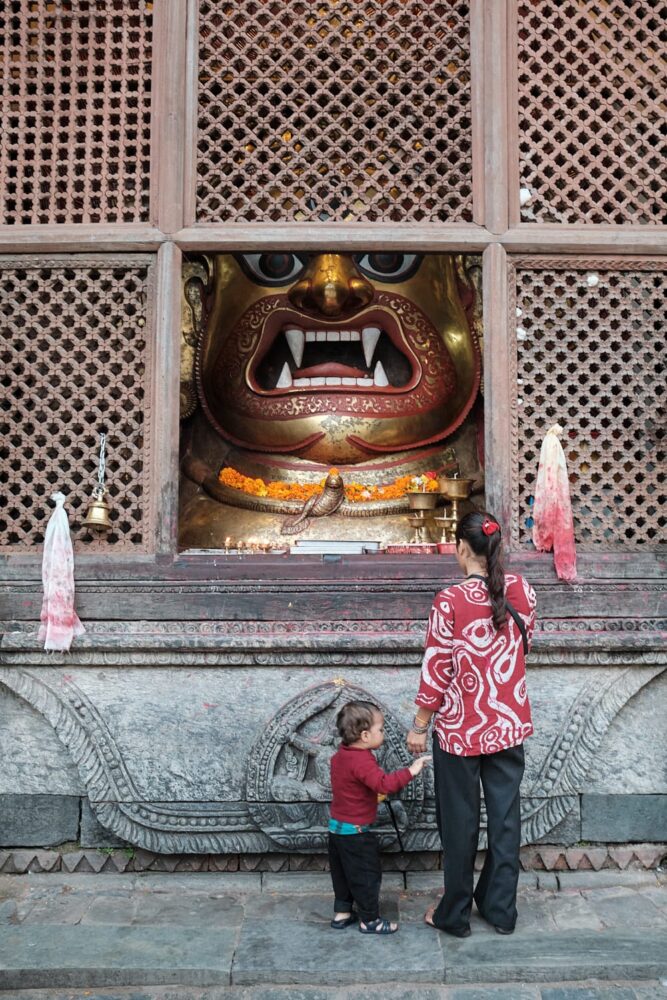
Swet/seto (meaning: white) Bhairav is a huge statue of another avatar of Shiva. Kept behind wooden lattice throughout the year, the temple is open to the public once a year during Indra Jatra festival. This is when a pipe erected from the mouth of Sweta Bhairava dispenses rice beer liquor to the devotees as they press forward to drink the blessed drink.
On other days of the year, a small portion is kept open to let devotees offer their prayers to Shwet Bhairav.
Gaddi Baithak
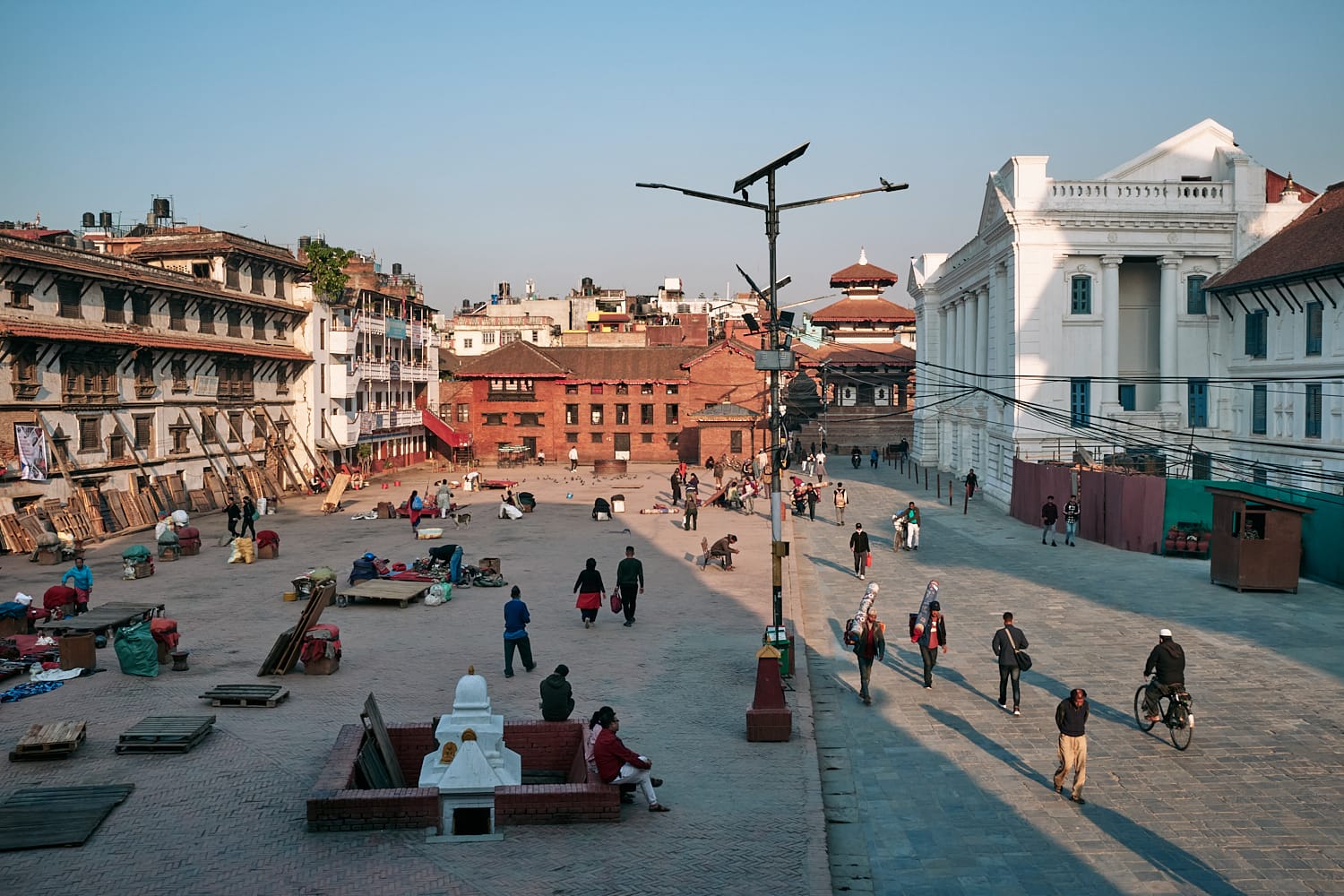
A neoclassical palace built in 1908 by Prime Minister Chandra Shumsher Rana, the Gaddi Baithak served as the coronation venue for monarchs and royal ceremonies. Inspired by European architecture, this white-columned structure is surrounded by medieval Newari buildings and now functions as a museum.
Jagannath Temple
The 16th century temple is known for the fascinating erotic figures carved on the wooden roof struts. Built in two-tiered pagoda design with a raised platform makes it one of the most architecturally intriguing structures in the square.
Hanuman Statue and Hanuman Dhoka
Erected in 1672 by King Pratap Malla, this red statue of Hanuman symbolises strength and loyalty. It guards the entrance to the ancient royal palace. The palace complex, known as Hanuman Dhoka (dhoka: gate), served as the royal residence until the 19th century.
A Visit to Kathmandu is Incomplete without Durbar Square
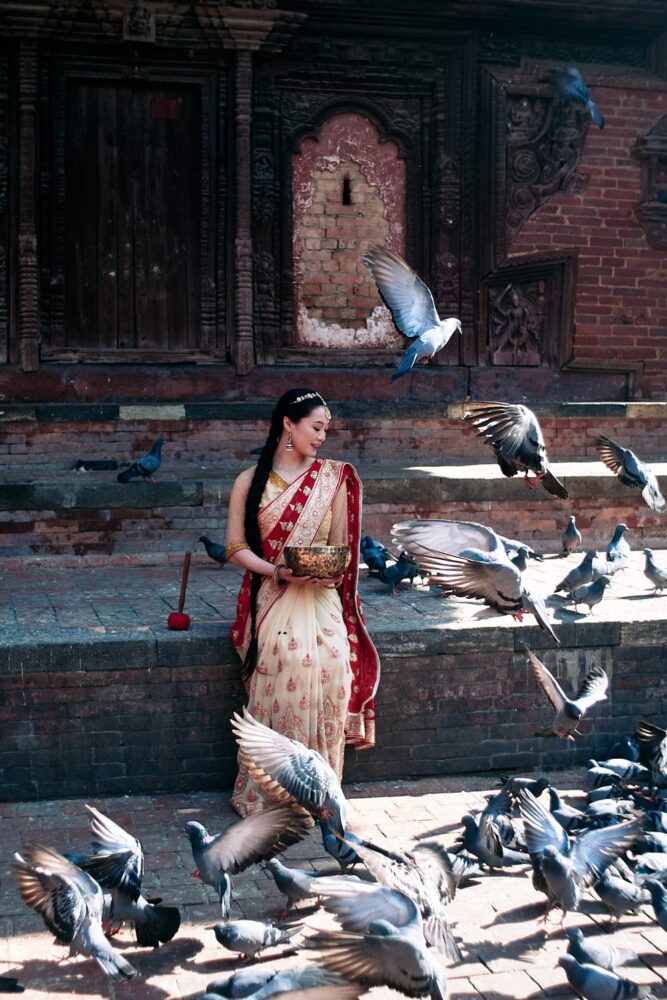
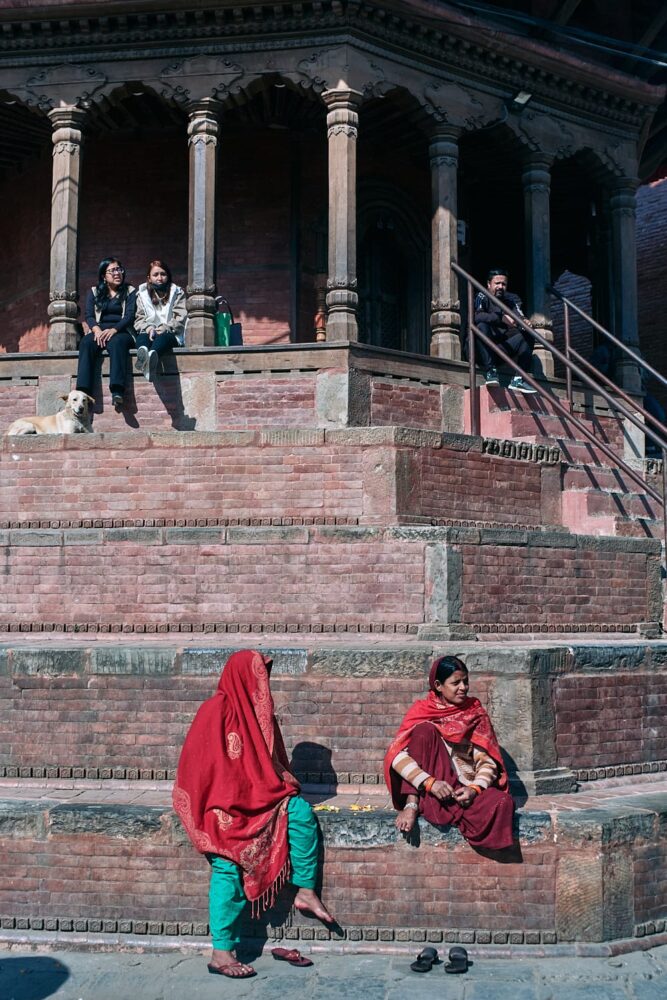
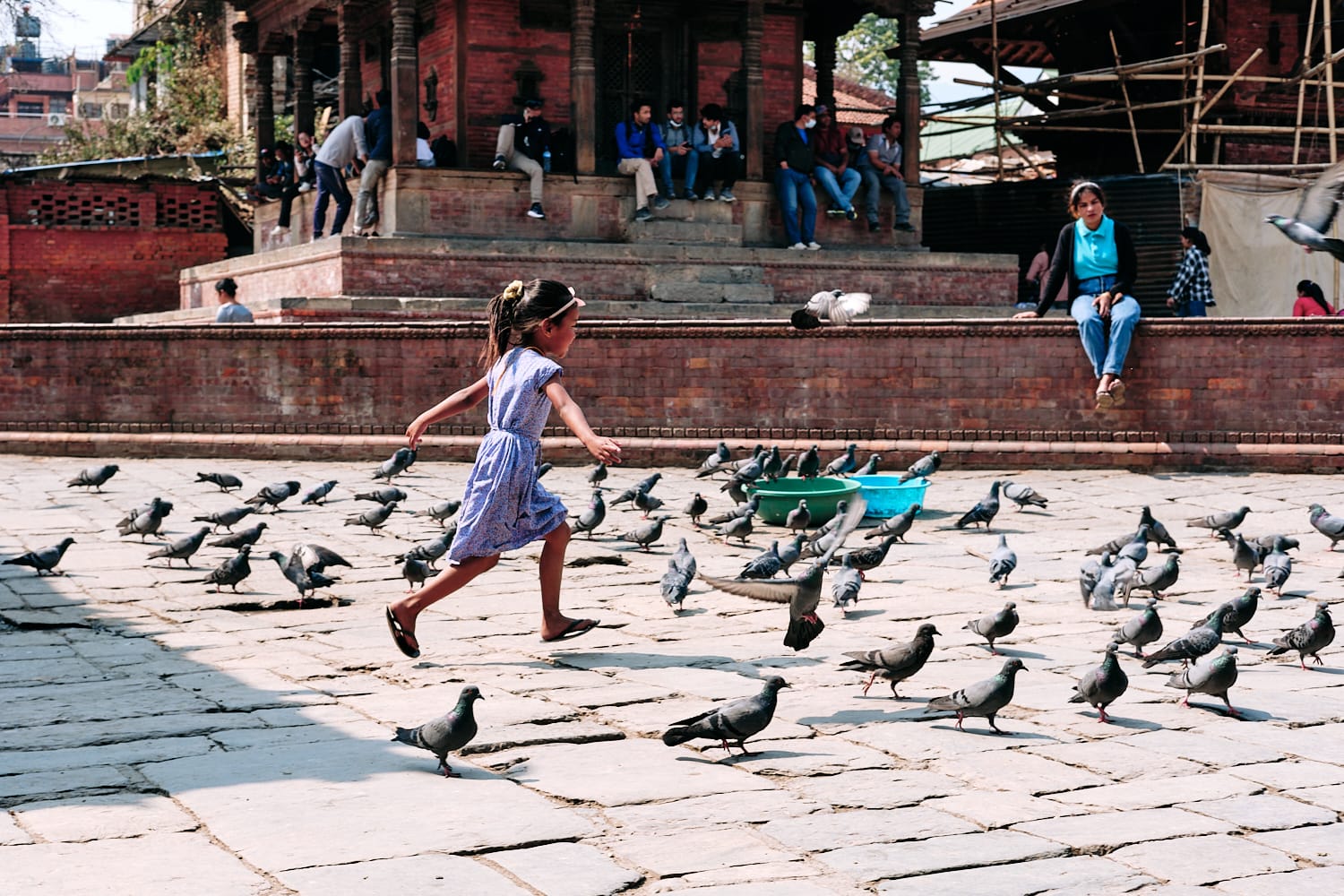
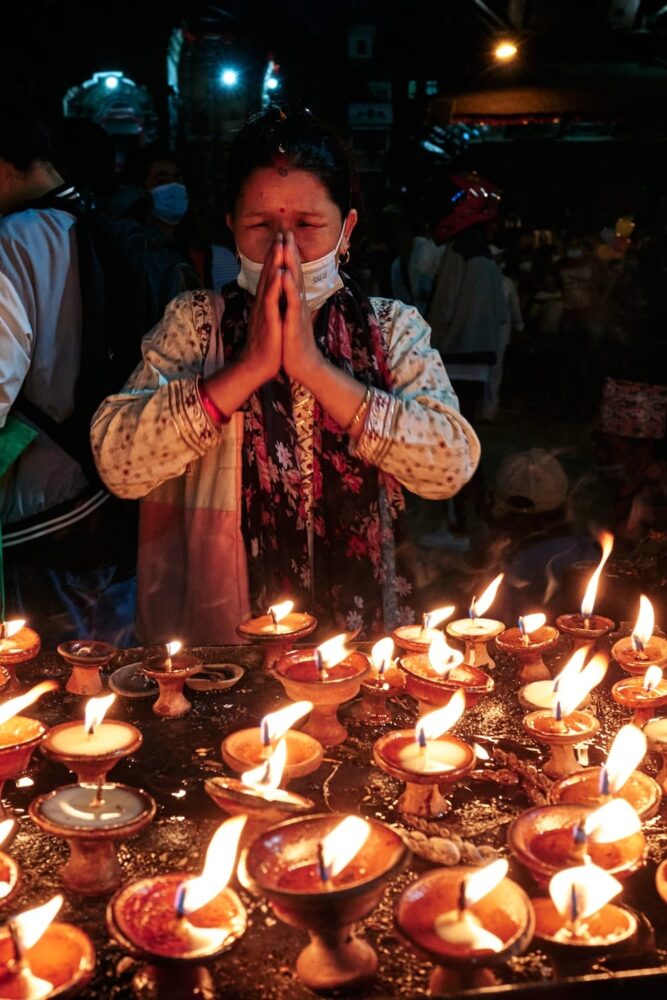
The thriving Durbar Square is where I take all members for long slow walks during our trips. This is where the hustle and bustle of the city fades away and your day slows down. Children running around in the courtyards, people praying at temples, the jingle of temple bells, the sight of hundreds of lamps burning, or people relaxing and chatting – Kathmandu durbar square is certainly a visual and spiritual delight.
I have visited the Durbar Square numerous times over the last nine years and it’s undoubtedly one of my favourite places to be. Most of the times I grab a cup of tea and sit there in silence observing people. I have attended festivals like Indra Jatra, met some wonderful people, shopped plenty of items from the shopping area, and even photographed Kumari. Every time I visit the square, I feel it’s a new place. Isn’t that amazing – a place standing there for centuries feels fresh and inspires one to be curious every time?
Poets And Pilgrims organises regular trips to Nepal and Durbar Square is one of our must-visit places. Checkout our upcoming trips and explore the Kathmandu Valley with a small group.
All photographs by Parvez Shaikh.